Jasmine Clotilde Pisapia, “POISONOUS IMAGES: Taranto’s Environmental Crisis between the Visible and the Invisible,” Cultural Anthropology 42, no. 2. pp. 247-274 (May 2026). Available online here.
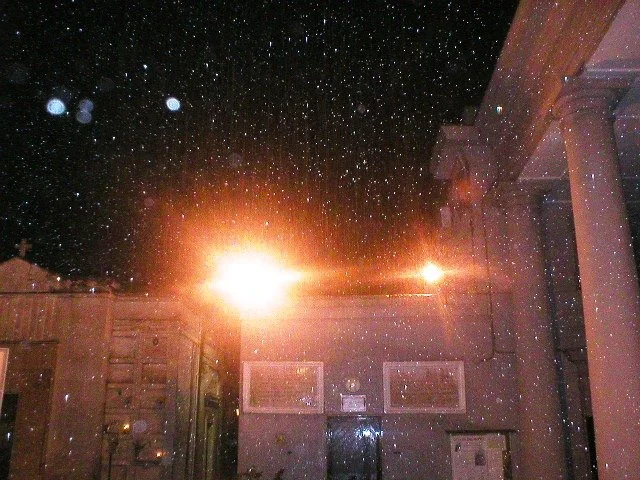
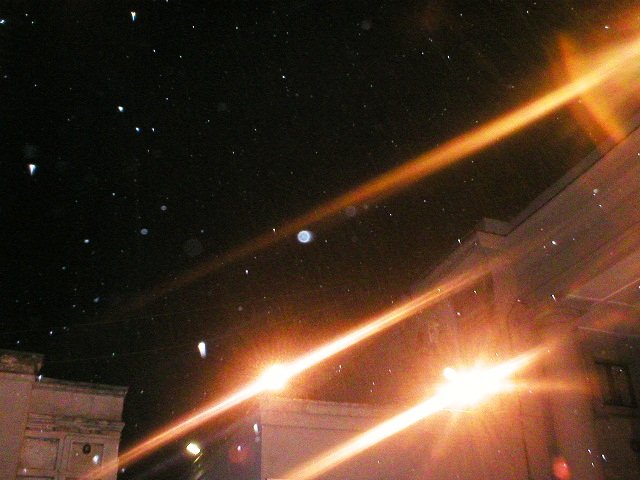
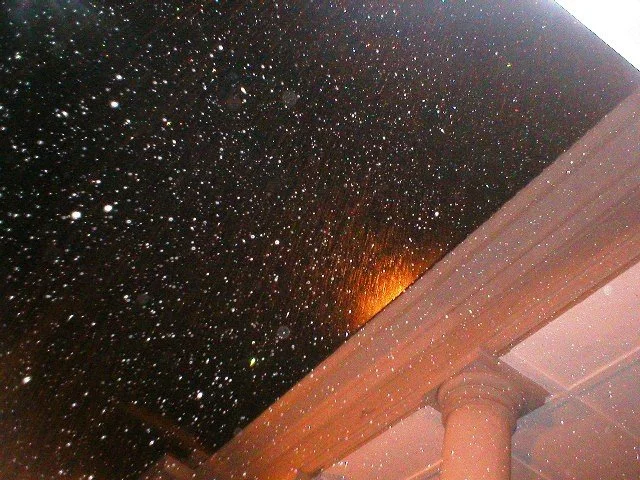
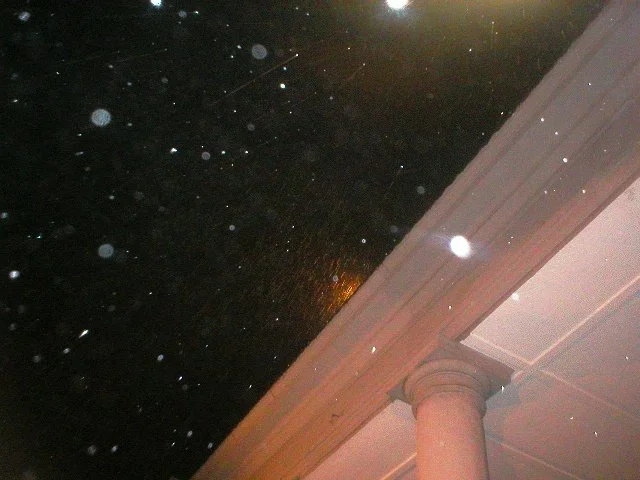
Abstract: This article explores poisonous images—images that both register and trouble the visibility of toxicity in Taranto, Italy, one of Europe’s most polluted cities due to the continent’s largest steel factory. Centered on photographs taken in the city’s contaminated cemetery, the essay asks how slow violence can be apprehended ethnographically when pollution remains unevenly perceptible and causally elusive. I argue that the photographic image, beyond its forensic or legal promise, functions as an ethnographic hinge between matter and meaning, visibility and refusal, foregrounding aesthetics as a political as much as a sensory problem. Through three photographic acts produced by cemetery workers, a local performance artist, and myself (as anthropologist), the article proposes “flickering” as an anthropological method—attuned to the intermittence between visible/invisible, absence/presence, and the oscillation of death in everyday life. These poisonous images do not stabilize evidence: they pulse in and out of consciousness, capturing uncertainty and unequally distributed exposures and sensibilities. The cemetery emerges as both site and figure for grasping the metamorphosis of death amid the environmental crisis, where mourning and inheritance remain perpetually unsettled.
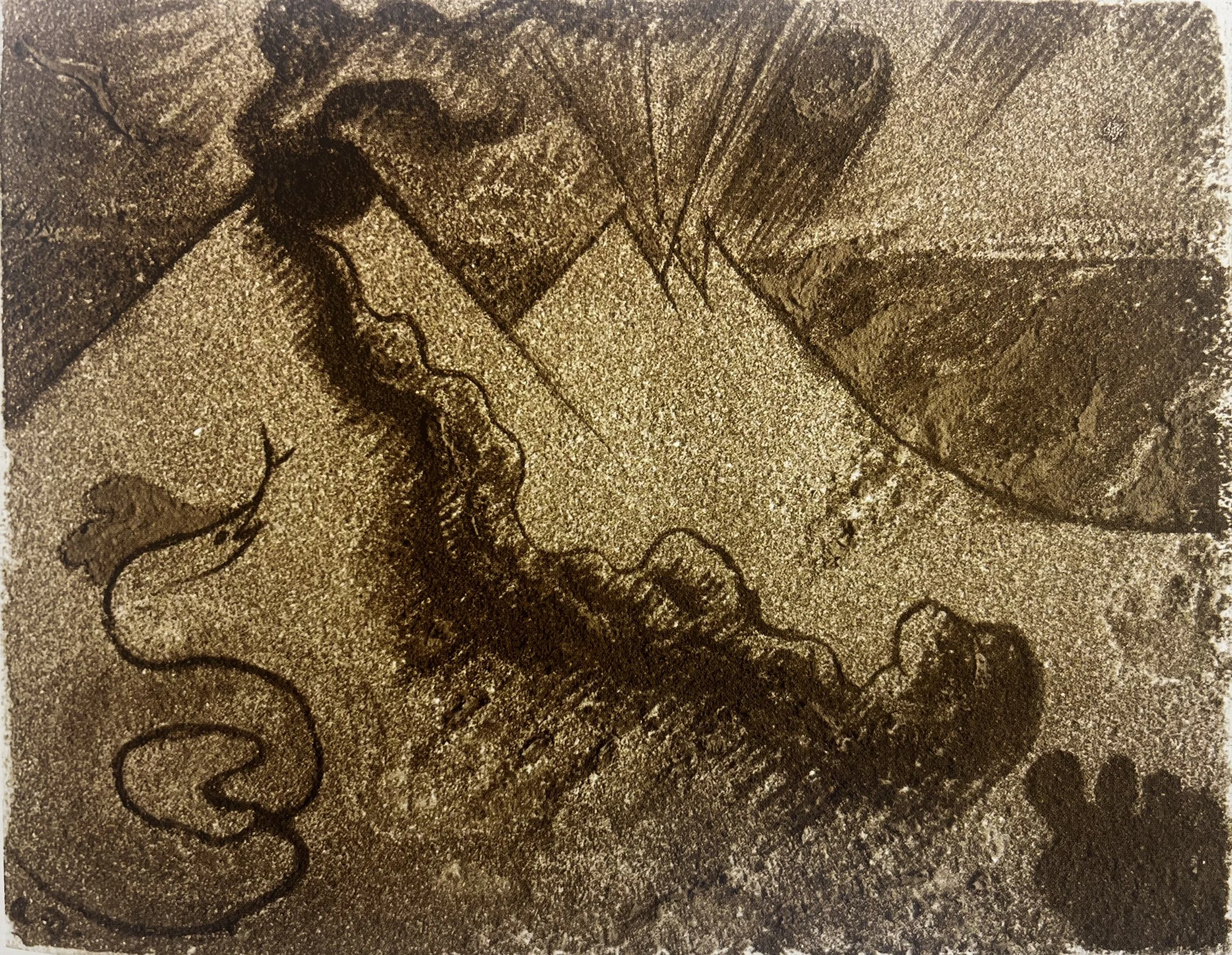
André Masson, Empédocle (1937), oil and sand on canvas, Georges Bataille Collection, location unknown.
Jasmine Clotilde Pisapia, “DUST, DEATH, AND THE BODY OF THE EARTH: Notes on the Scales of Ecological Disaster” In Scale: New Critical Essays, edited by Christoph F. E. Holzhey and Marietta Kesting. ICI Berlin Press, Cultural Inquiry series (forthcoming 2027).
Abstract: This essay follows dust as a way of moving across scales — spatially, from particulate matter to volcanic magnitude, and temporally, from the slow accumulation of toxic exposure to the sudden force of catastrophe. Through a wide constellation of images, texts, and ethnographic encounters, the essay reflects on how different scalar experiences of disaster come to coexist in zones of environmental crisis. Drawing on long-term anthropological fieldwork in southern Italy’s toxic and volcanic environments, it follows the relations between the slow sedimentation of environmental violence and moments of catastrophic rupture, and the paradoxes of inhabiting unstable worlds. Dust becomes the medium through which these relations emerge, moving between satellite views of industrial landscapes, flash-lit digital photographs, gravediggers’ testimonies, archival images of eruption, and the unsettled worlds opened by André Masson’s volcanic painting and Georges Bataille’s writings on dust and the subterranean abyss. Here, particulate matter emerges at the threshold between the living and the dead, the visible and the invisible, the infinitesimal and the cosmic.
-
![]()
Peer-reviewed:
Jasmine C. Pisapia, "“Tristezza Siderurgica”". Intermédialités / Intermediality no. 39 “Retourner (la nostalgie) / Returning (Nostalgia)” (eds. André Habib, Suzanne Paquet, Carl Therrien) (2022) : 1–35.
*
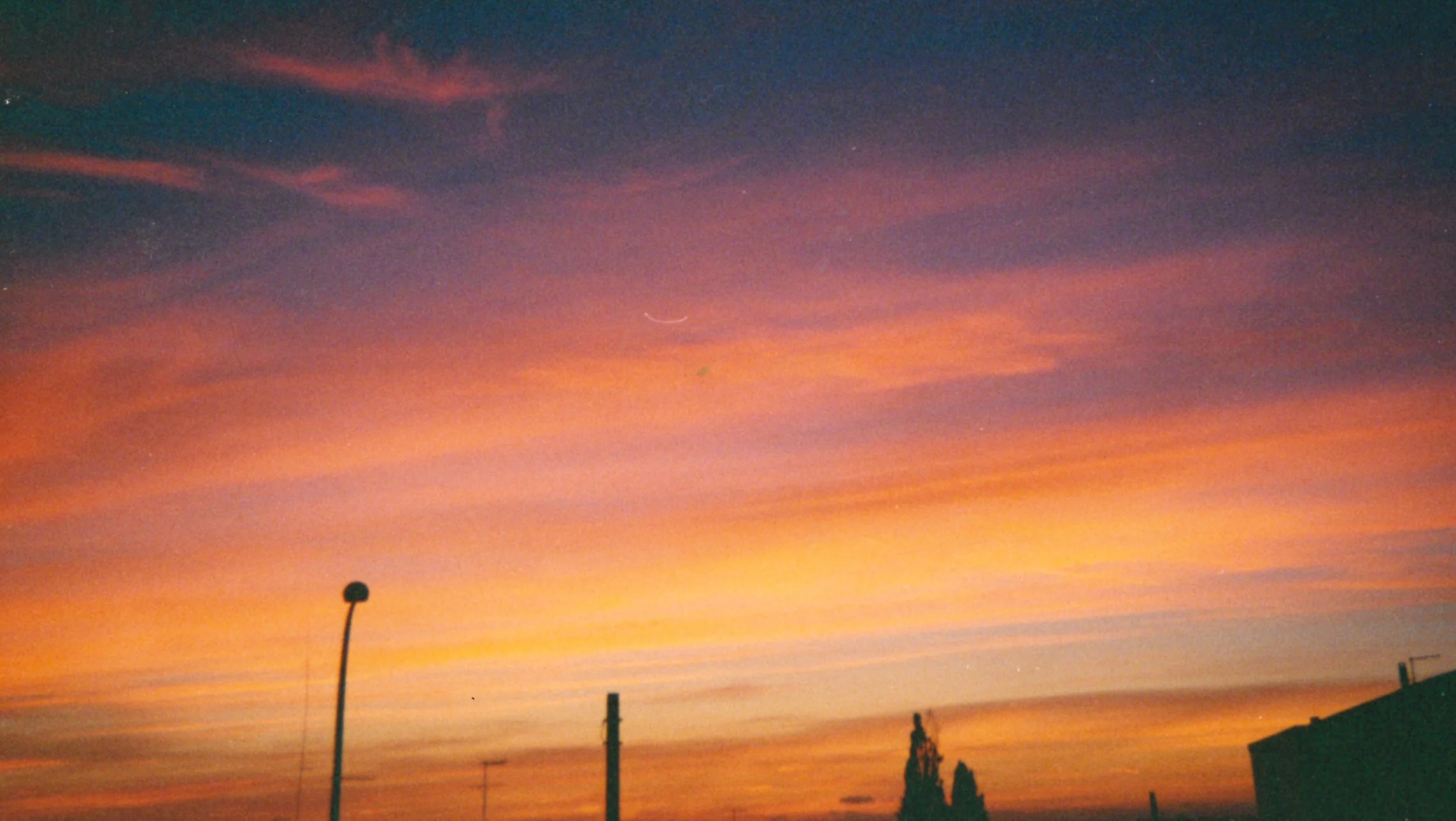
Photograph by Isabella Mongelli, “Sunset from Siderarmoniosa,” analog photography, 1997
-
![]()
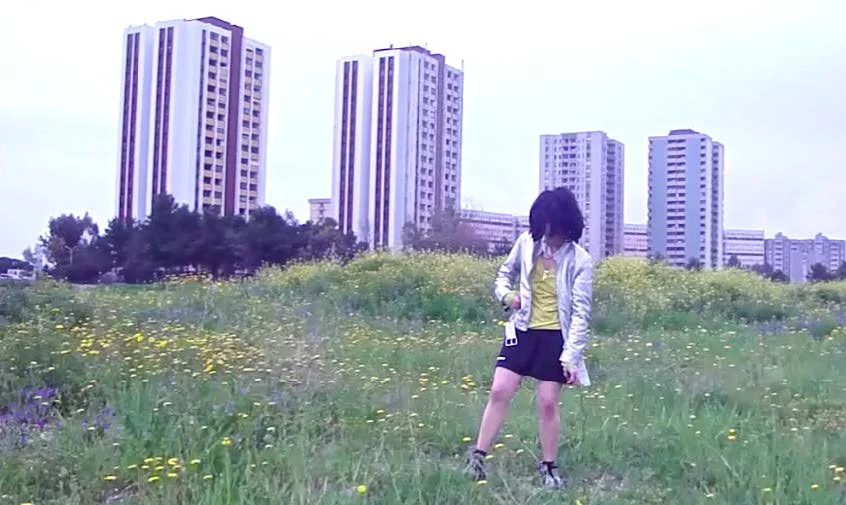
Self-portait as “Irina” in Taranto’s archaeological park. Photograph by Isabella Mongelli from the series Visions in Tarànto (2013).
-
![]()
Heart of the Madonna Addolorata of Taranto (detail). Isabella Mongelli from the series Visions in Tarànto (2013).
-
![]()
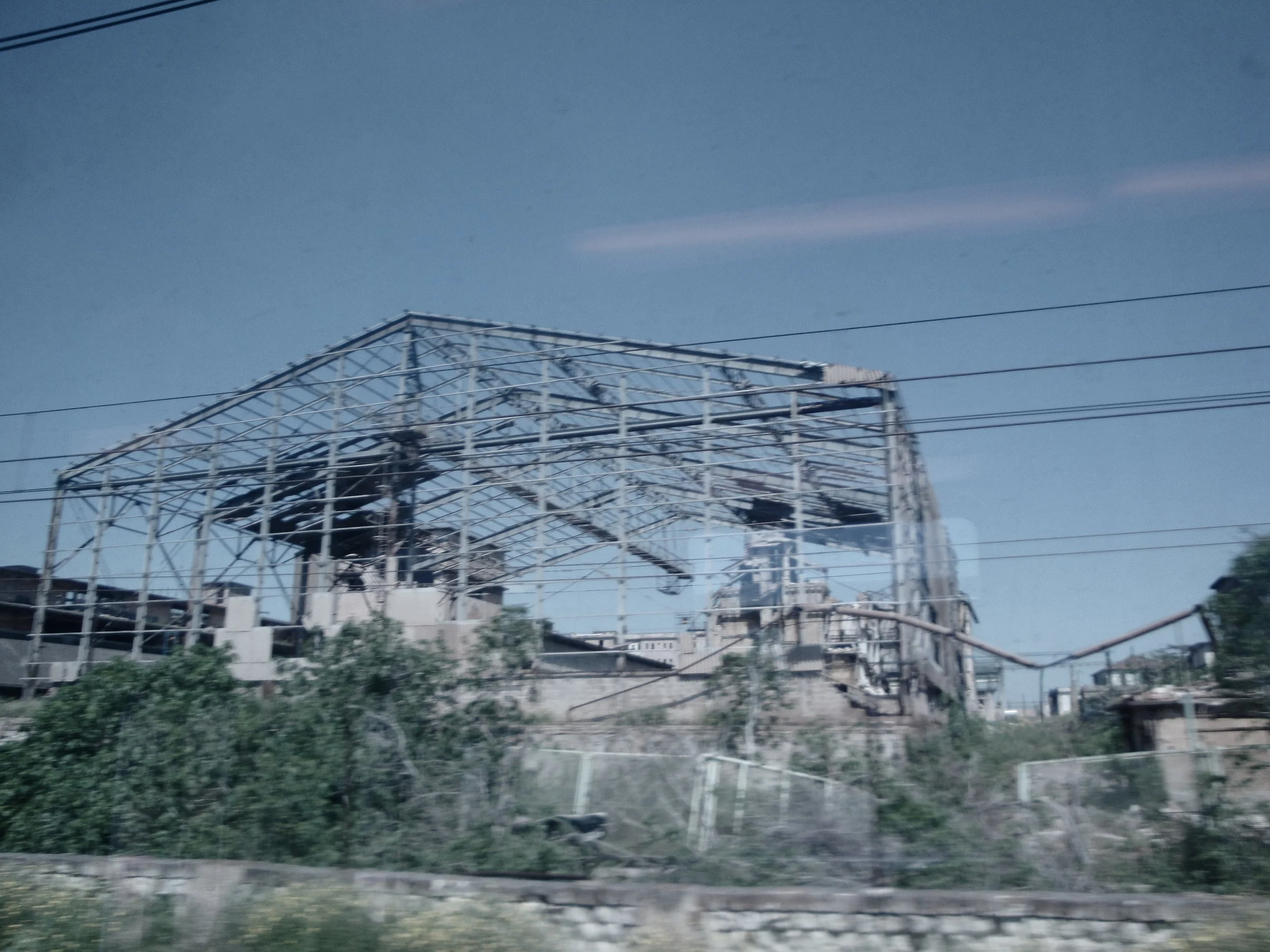
Industrial landscapes in Taranto. Photograph by Isabella Mongelli from the series Visions in Tarànto (2013).

-
![]()
Peer-reviewed:
Jasmine C. Pisapia, “Per un’antropologia estetica della crisi ecologica: Arte dello straniamento e crisi della presenza nella città di Taranto” in Antropologia, Lucia Portis and Angela Biscald (eds) “Restituire. Un approccio multimediale” (2022)
Read article here.
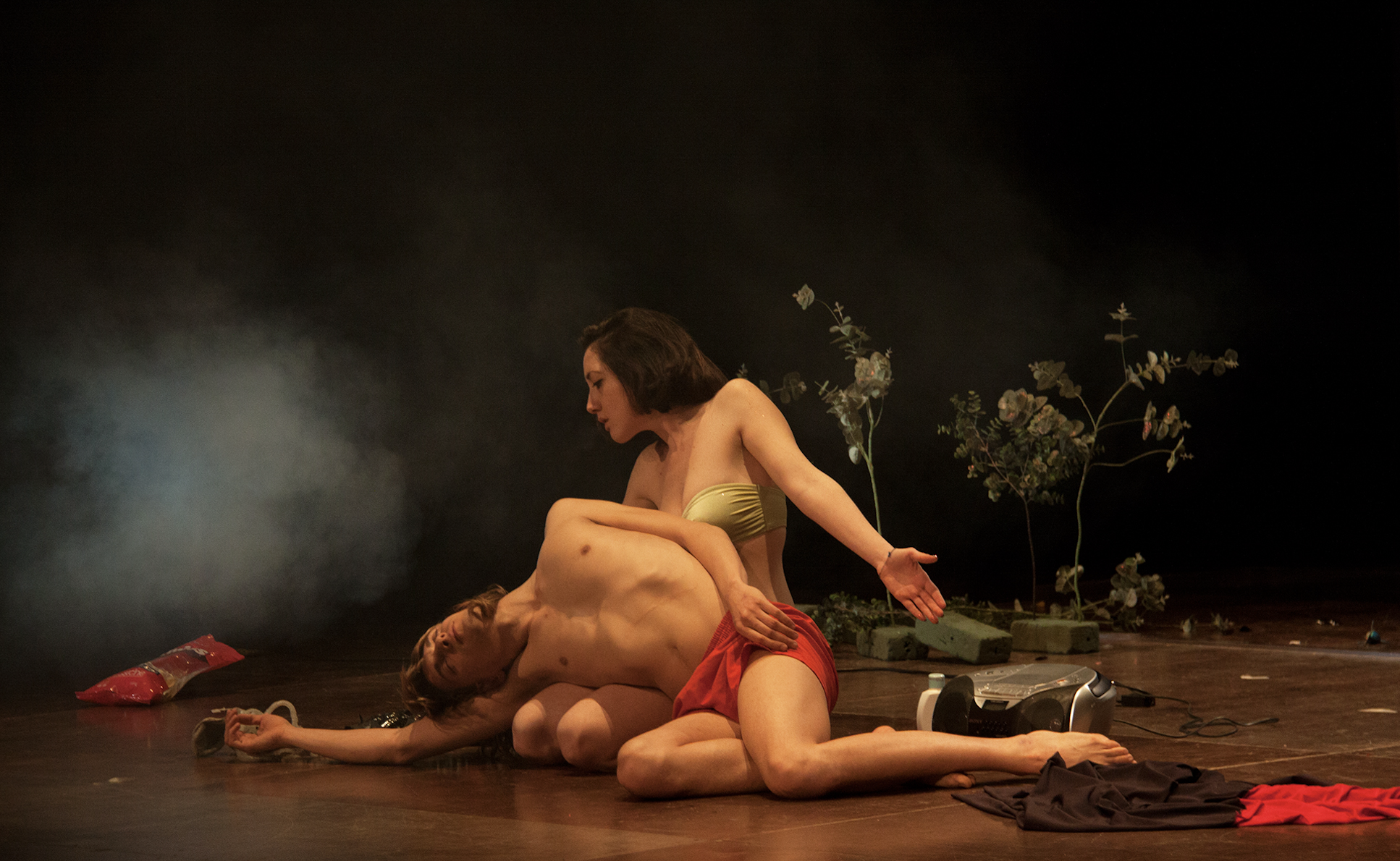
Photograph above by Giuselle Antelmo of my personal tarànto (2013), a performance by Isabella Mongelli.
-
![]()
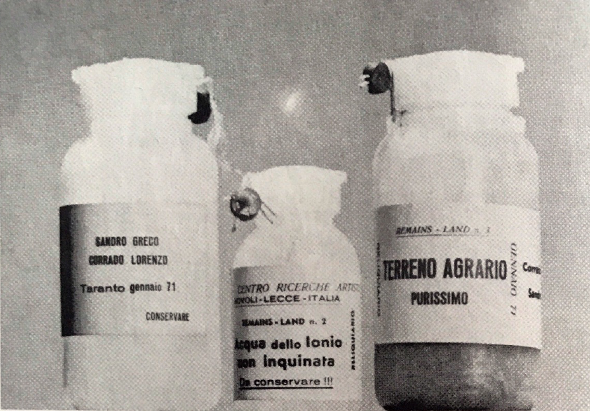
Sandro Greco e Corrado Lorenzo, happening/performance Taranto per una industrializzazione umana (1971).
-
![]()
Photograph of Taranto cemetery from the photographic series Visions in Tarànto (2013) by Isabella Mongelli. Courtesy of the artist.
-
![]()
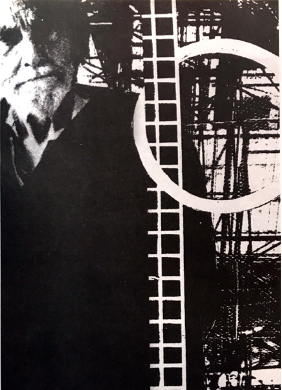
Serigraphy by Taranto artist Nicola Andreace (1967)

-
![]()
Book chapter:
Jasmine Pisapia, “Lutto, lavoro e bonifica nel cimitero di Taranto” in Il Ritmo dell’Esperienza : Nove Casi Etnografici per Ripensare l’Etnografia dei Conflitti Ambientali, Valentina Bonifacio, Rita Vinaello (eds.) Cooperativa Libraria Editrice Università di Padova, 2020.
-
![]()
-
![]()
-
![]()


-
![]()
Peer-reviewed article:
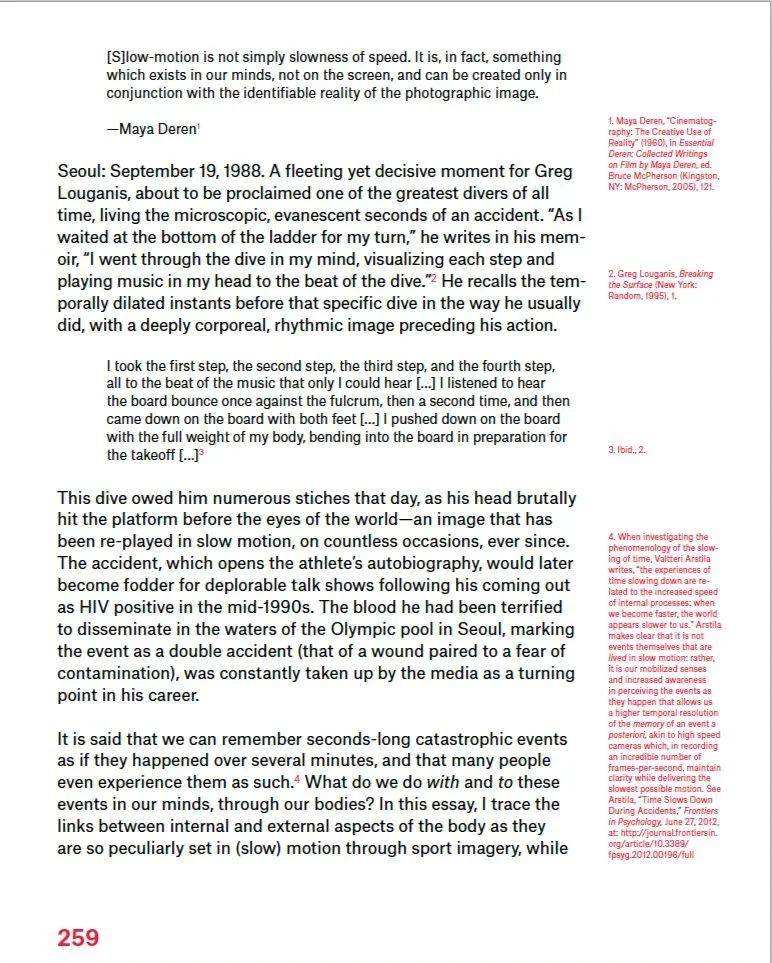
Jasmine Pisapia, “Slow Motion and Sports: Corporeal ‘Imageries,’ Hypnosis and Transfigured Time,” INCITE Journal of Experimental Media #7/8, 2016-2017
-
![]()
-
![]()
-
![]()
-
![]()



-
![]()
Peer-reviewed article:
Jasmine Pisapia, “Through the Keyhole: (Photographic) Desire and the Astronomical Imagination,” Scapegoat: Architecture, Landscape, Political Economy, Issue 09 “The Night,” Will Straw, Christie Pearson (eds.), Spring 2016.
Images by Malena Szlam. Courtesy of the artist.
-
![]()
-
![]()
-
![]()
-
![]()
-
![]()


-
![]()
Independent journal founded with the Collettivo Epidemia:
Collettivo Epidemia. Epidemia 01: Gli ulivi di Puglia al tempo della Xylella (2019), independent publication featuring articles by János Chialá, Christian Colella, Michele Bandiera, and Enrico Milazzo.
-
![]()
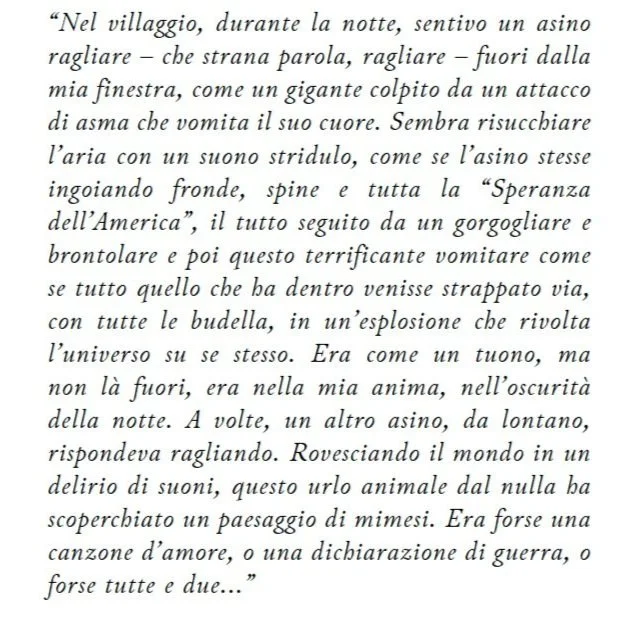
Collettivo Epidemia. Epidemia 02: L’Urlo dell’asino di Michael Taussig e altre storie da Taranto (2019), independent publication featuring articles by Michael Taussig, Jasmine C. Pisapia, Michele Loiacono, Isabella Mongelli, Rosalia D’Arcangelo, Enrico Milazzo, Michele Bandiera, Carolina Saquel, Franco La Cecla.
-
![]()
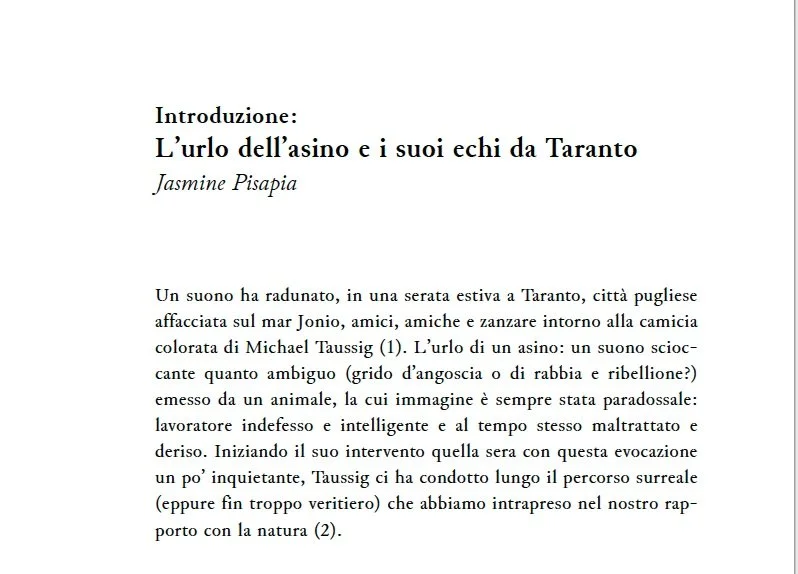
Jasmine C. Pisapia, “Introduzione: L’urlo dell’asino e i suoi echi da Taranto,” in Epidemia 02, L’urlo dell’asino di Michael Taussig e altre storie da Taranto, Oct. 2019, p. 3-11.
-
![]()
-
![]()
Michael Taussig, “L’urlo dell’asino Devo capirlo anch’io. Una nota sulla dialettica dell’asino” (translated by Collettivo Epidemia)



-
![]()
Peer-reviewed articles:
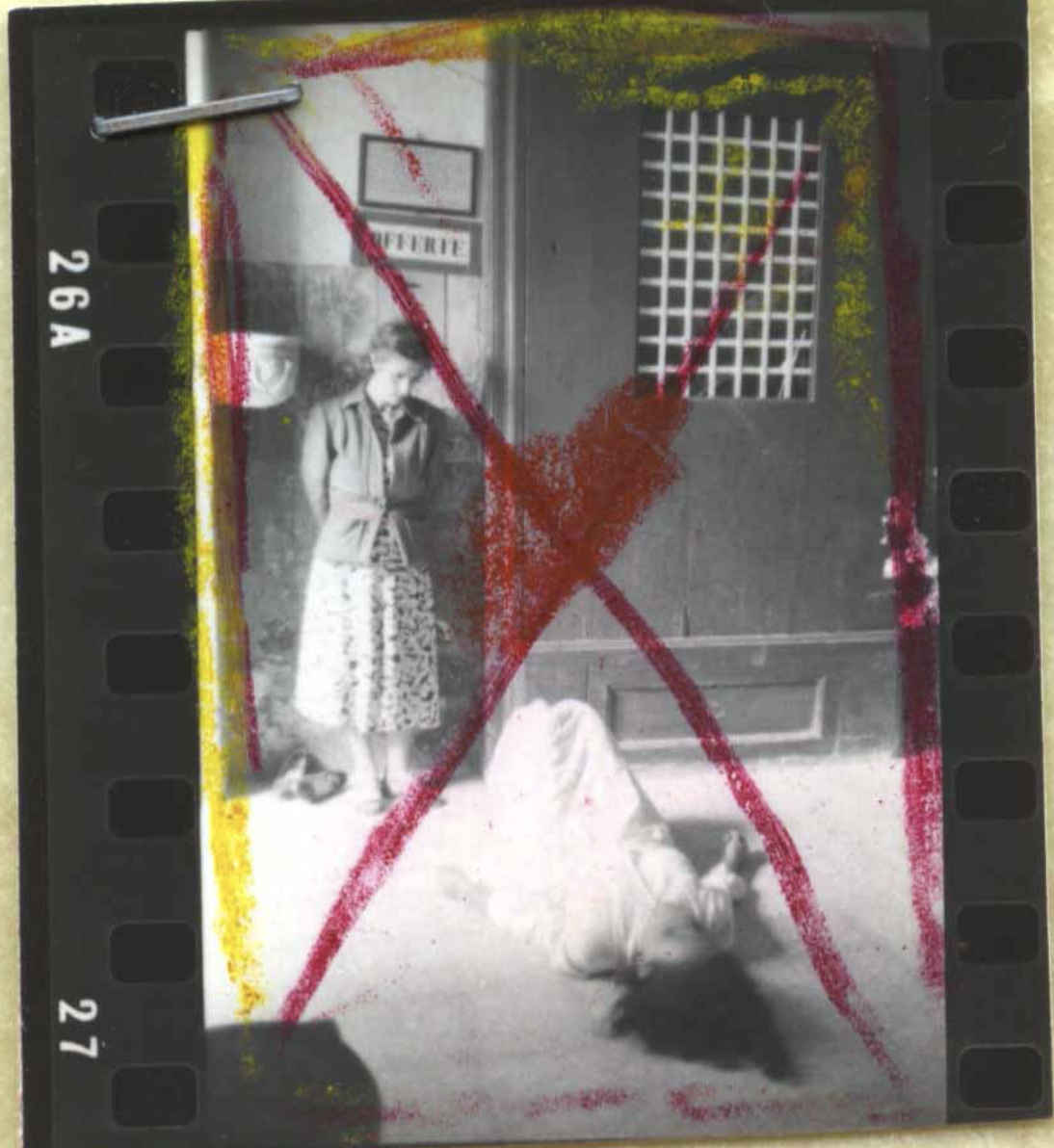
Jasmine Pisapia, “Archives of Pathos. Image, Survival and Ernesto de Martino’s Interdisciplinary Ethnography,” Visual Ethnography, Vol. 2, n° 1, 2013.
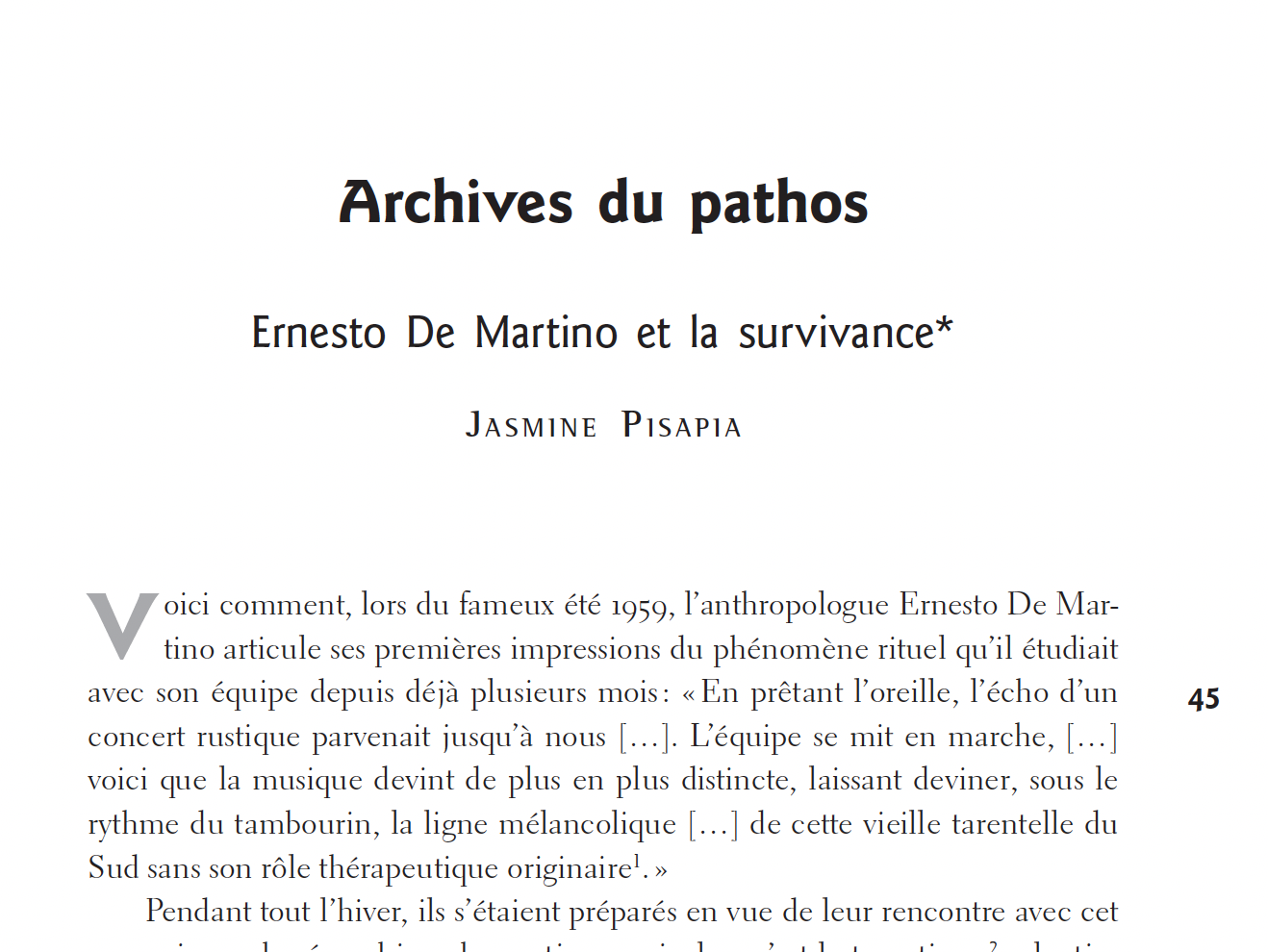
Jasmine Pisapia, “Archives du pathos. Ernesto de Martino et la survivance,” Intermédialités n°18 “archiver/archiving, ” Fall 2011, p. 45-69.
-
![]()
-
![]()
-
![]()
-
![]()



Interviews
-

Behind the Scenes of The Sea Theater
Conversations with anthropologist Michael Taussig and visual artist Hélène Baril.
-

From Field to Page
A conversation with anthropologist Daniella Gandolfo. How does one come up with an intuition for a topic and set of questions? How do these questions beg a certain kind of ethnographic engagement? And how does this all happen, anticipating, in some sense, the process of writing?
-

Who Gets the Remainder? The Ethics and Politics of Gleaning.
A conversation about leftovers, collectives and collaboration, with anthropologists Amiel Bize and Xenia Cherkaev.
[more soon! page under construction]